
What is Post Traumatic Stress Disorder (PTSD)? A Guide to PTSD Treatment in Connecticut
Post-traumatic stress disorder (PTSD) is a mental health condition that arises after someone experiences a traumatic event. Some people are able to recover, and continue on with their lives shortly after experiencing a significant trauma. For those who have long-lasting and life-altering symptoms after a traumatic event, they may be diagnosed with PTSD.
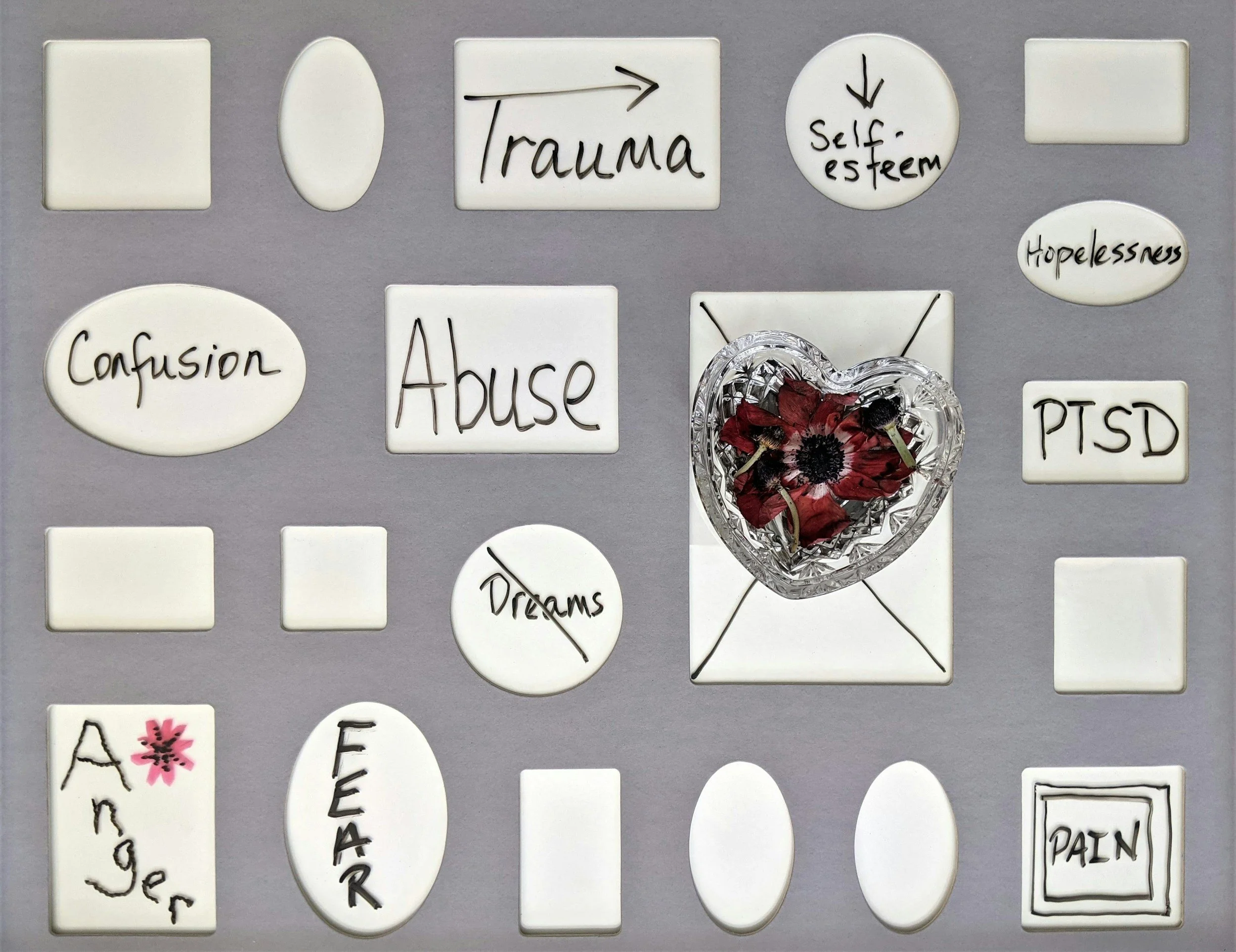
Mental Health Therapy for PTSD in Connecticut
Symptoms of PTSD
PTSD is a diagnosable mental health condition, and criteria for diagnosis are listed in the Diagnostic and Statistical Manual of Mental Disorders (DSM-5). Symptoms and criteria of PTSD include:
Exposure to the traumatic event
Presence of intrusive symptoms, including memories of the event, nightmares, and flashbacks
Avoidance of things that remind the person of the traumatic event
Difficulties remembering the traumatic event
Negative beliefs about oneself
Difficulty feeling positive emotions
Irritability
Hypervigilance
Difficulties with sleep, including trouble falling asleep and restless sleep
PTSD may also arise with dissociative symptoms, including feeling detached from oneself (depersonalization) and feeling detached from the world (derealization).
Causes of PTSD
People develop PTSD in response to a traumatic event. Not everyone who experiences a traumatic event will develop PTSD. In fact, most people who experience a traumatic event will not develop PTSD. Currently, we do not know why some people develop PTSD while others do not. We do know that there are risk factors to developing PTSD, including previous exposure to traumatic events, limited supports, and a personal or family history of mental illness.
Conditions Related to PTSD
Some people experience a traumatic event, and do not develop PTSD, but do develop other symptoms. You may still experience mental health symptoms and distress after experiencing a traumatic event, even if you do not develop PTSD. Other conditions related to PTSD include:
Acute Stress Disorder: In acute stress disorder, people develop symptoms similar to those of PTSD in response to a traumatic event. However, in acute stress disorder, symptoms arise sooner and also resolve sooner than they do in PTSD. In PTSD, symptoms arise 6 months or more after someone experiences the traumatic event. In acute stress disorder, symptoms arise between 3 days and 1 month after experiencing the traumatic event.
Adjustment Disorder: Adjustment disorder is a broader diagnosis than PTSD, and describes symptoms associated with experiencing a life stressor, which may include a traumatic event. These symptoms may include sadness, tearfulness, nervousness, worry, and impulsivity. In adjustment disorder, symptoms begin within 3 months of the stressor and resolve within 6 months of the stressor resolving. While someone who experiences a traumatic event may be diagnosed with an adjustment disorder, experiencing a traumatic event is not required to be diagnosed with an adjustment disorder.
What is the Difference Between PTSD and CPTSD?
Although they have similar names, Post Traumatic Stress Disorder (PTSD) and Complex Post Traumatic Stress Disorder (CPTSD) are differed diagnoses. CPTSD requires the experience of a “complex” trauma. Complex traumas are considered traumatic experiences that happen over the course of a long time, often involve another person, and commonly occur in childhood. People with CPTSD develop symptoms of PTSD, along with other symptoms. These additional symptoms may include difficulties in relationships, difficulties with emotional regulation, dissociation, and feeling guilty about the trauma.
It is important to note that a therapist cannot currently diagnose CPTSD in the United States. In the United States, therapists use the Diagnostic and Statistical Manual of Mental Disorders (DSM) to diagnose mental health disorders. The DSM-V-TR, the most current edition of the DSM, does not currently include CPTSD as a diagnosis. However, CPTSD is included in the ICD, which is the manual doctors and providers in other countries use to diagnosis conditions. In the United States, your primary care physician may be able to diagnose you with CPTSD, while your therapist cannot.

Trauma Therapy in Newington, CT
Treating PTSD
PTSD treatment is often complex, and requires an individualized approach. Based on your symptoms, previous history with psychological treatments, and other factors, you may be a better candidate for certain treatments or approaches.
All trauma treatment utilizes the idea of exposure. In PTSD, the brain and body becomes hypersensitive to threats related to the traumatic experience. In treatment, we want to gradually expose individuals to these potential threats in a safe environment. This provides the brain and body with new information about what is a threat, and what is safe.
There are many types of therapy that utilize exposure, including:
Psychodynamic therapy
Somatic Experiencing
Internal Family Systems
Cognitive Processing Therapy
Narrative Therapy
Eye movement desensitization and reprocessing
Creative arts therapies (art therapy, drama therapy, music therapy, dance movement therapy, expressive arts therapy, poetry therapy)
Other modalities, like Dialectical Behavior Therapy and Acceptance and Commitment Therapy may also be helpful in the treatment of PTSD, as they provide skills to manage distressing thoughts and emotions associated with the traumatic experience.
Medication for PTSD
Current research supports the use of medication and psychotherapy to treat most mental health conditions. Many individuals with PTSD find it helpful to include medication as part of their treatment. Medications can help reduce symptoms associated with PTSD, including anxiety, depression, nightmares, and dissociative symptoms. Some individuals with PTSD take daily medication, while others have as needed medications to deal with infrequent, but severe PTSD symptoms. Individuals considering medication as part of their treatment for PTSD should work closely with a psychiatric professional who has experience working with traumatized individuals.
Treatment for PTSD in Connecticut
Shelby Davis, LPC, RDT offers in person and telehealth therapy for individuals navigating PTSD in Connecticut. Shelby utilizes a variety of evidenced-based modalities to treat PTSD, including psychodynamic therapy, somatic therapy, and drama therapy. Shelby uses additional approaches, like Acceptance and Commitment therapy, to support your treatment. She believes in helping people understand how their trauma has impacted their current thoughts, feelings, and behaviors, and utilizing this insight as the catalyst for change. Shelby focuses on identifying these trauma-influenced patterns within the therapy sessions themselves, to both increase awareness and provide you with a safe space to try responding to these triggers and patterns in a different way. If you are struggling with PTSD, reach out today using the contact form to discuss your options for therapy.
